
A long time ago a mentor told me that teaching the basics of human growth and development creates wealth and success, but that I'd be tempted to teach advanced topics and neglect the basics.
He was completely right. During a discussion with my wife Angie, I recalled my mentor's words. I realized that I don't teach enough about one of the basics of human growth: the beliefs and habits we carry beneath our immediate awareness.
So here we go! Let's get to the root element of human development.
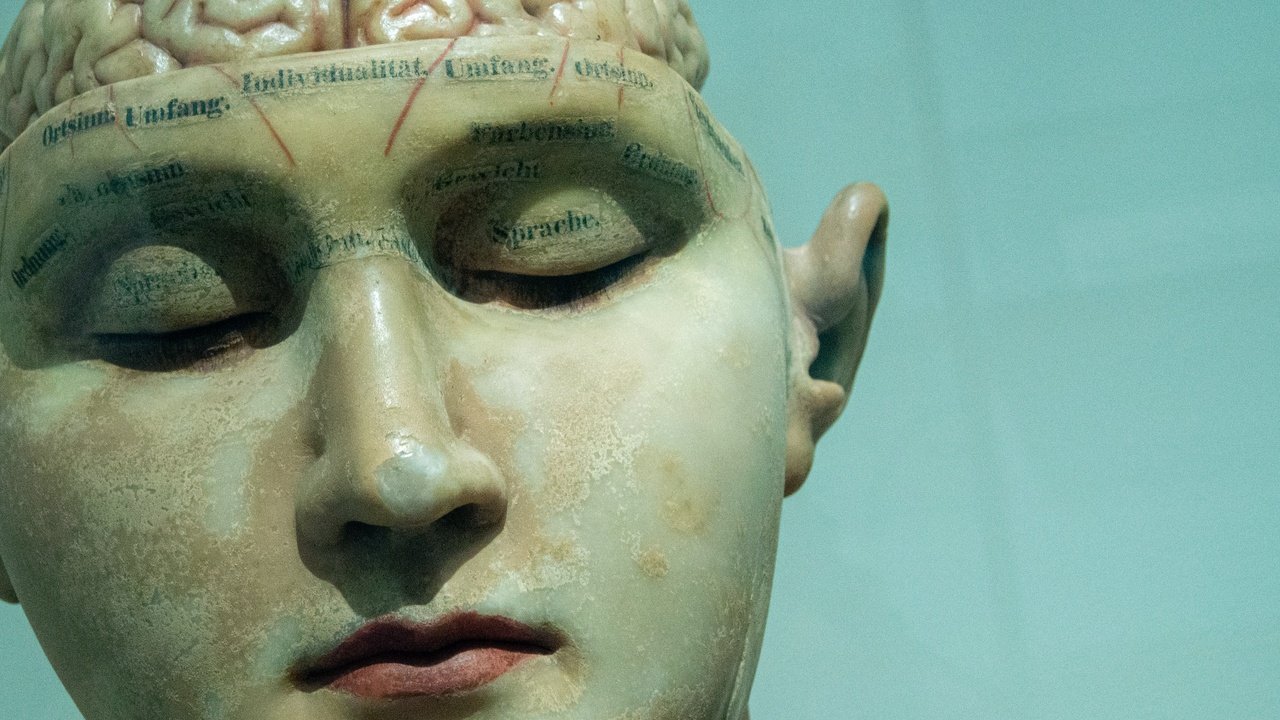
The Conscious and Subconscious
When I talk about the conscious and subconscious mind, I'm using a practical way of looking at our experience. The conscious mind is the thinking you're aware of: contemplating, solving problems, weighing a decision, and imagining what you want to create.
I use subconscious to describe the familiar beliefs, expectations, associations, and habits that can influence us without our noticing them. You might consciously want to grow your business while automatically pulling back from a difficult conversation. Or you might want more freedom while continuing to say yes to everything.
Think of the subconscious as an operating system running in the background. That's a useful metaphor for familiar patterns, and becoming aware of those patterns gives you something to work with. The important question is simple: what am I assuming is true, and is that assumption helping me create the life I want?
How Did It Get There?
Our early experiences can shape what feels normal, safe, or possible. Family, culture, school, and the people around us all influence what we learn about money, relationships, work, and ourselves. We keep learning throughout life, and beliefs we once accepted can be questioned and changed.
I'll give you a few examples from my own life:
I grew up in a relatively violent home. My brothers were constantly fist fighting, my father believed that the outcome of a fist fight determined who was right, and all of my brothers constantly bragged about fighting. Fights would randomly break out, threats were thrown around very loosely, and disagreements often ended physically. From these experiences I grew up believing the entire world was as violent as my home.
My father was a union steelworker. He learned from his father and taught me that hard work was your duty, you needed to suffer to make money, and that the rich were greedy and evil, and always sticking it to the middle class. If someone didn't work hard they were lazy, and if they didn't work hard and were making money they were stealing. From these beliefs I made work hard when it wasn't, and I felt guilty and shameful when I began accumulating wealth.
Once when I was very young, my father and I were walking back from playing ball and a cop car drove by with its light on. I remember saying to my dad "I'm glad you'll never get locked up." I vividly recall him saying these exact words: "Mike, you never know. Even the best people go to jail." From that day forward I worried about the inevitability of being accused of something I didn't do.
The environment you grow up in and the beliefs you are taught can shape how you perceive the world. For me, growth began when I could see those beliefs clearly enough to question them. I could begin choosing what I wanted to carry forward.
Reprogramming Your Beliefs
When you notice a familiar pattern, you can finally begin working with it. Worry, fear, and doubt can be invitations to look more closely at what you believe and what a situation actually requires. Sometimes there is a real problem to address. Sometimes an old assumption is making a new opportunity feel more threatening than it is.
Familiar habits can be hard to change. You may feel pulled toward what you already know, even when you want something different. Self-awareness helps you notice that pull, and self-acceptance gives you room to work with it without turning growth into another reason to criticize yourself.
One of the most useful practices in my own life has been visualization. My life began to shift when I regularly imagined the life I wanted to live, what I wanted to have, and who I wanted to become. Connecting with the feelings and experiences in that vision helped me give my choices a clearer direction.
For a guided way to explore this practice, you can use my Guided Meditation Bundle.
Start by putting your vision into writing. Describe what you want to experience in your business, wealth, relationships, health, and everyday life. A goal might be a particular achievement. Your vision gives that achievement meaning by describing the life you want it to support. Ask yourself whether this is something you genuinely want or something you think you should want.
Then bring the vision into a real choice. Imagine yourself having the conversation, making the offer, protecting time with your family, or taking care of your body. Choose one action you can take today and follow through. Review what happened, learn from it, and practice again. Visualization becomes useful when you bring it into how you live.
Are You Ready?
Are you ready for more? Begin with one belief you've been treating as a fact. Write it down, ask where you learned it, and consider what you want to choose now. You get to explore what more could mean for you, and you can build the courage to act while some uncertainty is still present.
For established entrepreneurs who want to explore these patterns and create a clearer direction for their whole life, private coaching is a place to do that work together. If you're wondering where to begin, start a conversation with me.
Photo by David Matos on Unsplash